
About this game
The Shifting Sea
At the heart of this experience is a world that rearranges itself with every new game. Players begin at a harbor and choose a heading, only to find that islands, resources, and encounters appear in different locations each time. This design ensures that memorizing a single route offers no advantage. Instead, success depends on reading the current situation and making quick decisions. The ocean itself becomes a puzzle, where each voyage tests a player's ability to adapt to unfamiliar layouts and unexpected events.
Resource Management at Sea
Keeping a vessel operational requires careful attention to supplies. Players must monitor their ship's integrity and the well-being of their crew. Food, repair materials, and fuel are scattered across the islands and floating debris. Choosing which resources to collect and when to press forward becomes a constant balancing act. Stockpiling too much may slow progress, while ignoring essentials can lead to a premature end. This system encourages thoughtful planning without becoming overly complex.
Island Encounters and Discoveries
Scattered across the ocean are islands with distinct characteristics. Some offer abundant resources, while others present puzzles or require specific items to access hidden areas. Players interact with these locations by clicking on points of interest, triggering events that may reward them with upgrades or new information. The variety of island types keeps exploration fresh, as no two stops feel exactly the same. Learning to recognize which islands are worth a detour is a skill developed over multiple runs.
Progression Through Failure
The roguelite structure means that each voyage, successful or not, contributes to long-term progress. When a ship is lost, players retain certain advantages or knowledge that carry over to the next attempt. This might include improved starting equipment, unlocked abilities, or a better understanding of the game's systems. The cycle of trying, failing, and improving creates a satisfying loop that rewards persistence. Each restart feels less like a setback and more like a step forward.
Visual Style and Atmosphere
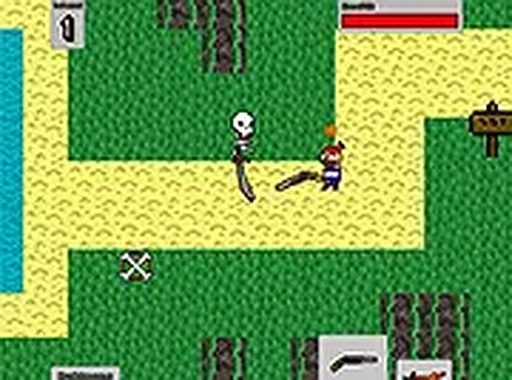
The pixel art presentation gives the game a classic, approachable look. Colors are used effectively to distinguish between different types of terrain and to signal changes in weather or time of day. The simple but charming graphics keep the focus on gameplay while still creating a sense of place. The interface is clean and easy to read, which helps players quickly assess their situation without distraction. This visual approach suits the game's emphasis on strategy over spectacle.










Audience comments
Sign in to comment
You must be logged in before posting a review or rating.
No account? Create one
No comments yet. Be the first to comment!