Pair Quest: Wildlife Sanctuary
Reviews
Pair Quest: Wildlife Sanctuary stands out for its calm pacing and meaningful progression. The tile-matching mechanics are solid, with clever level designs that gradually increase complexity without frustration. The habitat building adds a rewarding layer, letting you see your sanctuary grow with each completed puzzle. The gentle narrative about a family legacy provides just enough context to keep you moving forward. It is an excellent choice for players who want a relaxing yet engaging puzzle game that respects their time and attention.
Description
Core Matching Mechanics
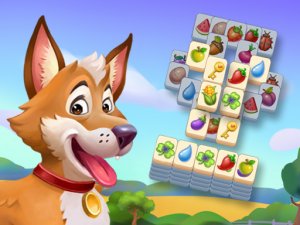
At its heart, Pair Quest: Wildlife Sanctuary is a tile-matching game that asks players to find and connect identical tiles on a board. Each successful match clears those tiles, gradually revealing the scenery beneath. The challenge lies in planning moves ahead, especially when tiles are layered or partially hidden. Special tiles occasionally appear, offering helpful effects like clearing a row or revealing hidden matches. The system is straightforward to learn but encourages thoughtful play, making it suitable for both quick sessions and longer stretches of focus.
Habitat Building & Animal Care
As you progress, cleared tiles contribute to constructing habitats within your sanctuary. You can develop areas such as meadows, ponds, and forest patches, each attracting different animal species. The game does not specify exact numbers, but typical progression involves unlocking new animals as habitats expand. This building element adds a layer of purpose beyond simple matching, giving each completed level a tangible reward. Players can arrange their sanctuary layout, though the extent of customization depends on the version.
Visual Style & Atmosphere
The game presents vibrant, hand-drawn graphics that emphasize natural beauty. Each location, from sunlit grasslands to misty wetlands, has a distinct color palette and gentle animations, like flowing water or rustling leaves. The interface remains clean and uncluttered, ensuring the focus stays on the puzzle board. Background music and sound effects are soft and ambient, reinforcing the relaxing tone. This visual and audio design helps create an immersive experience without overwhelming the senses.
Progression & Story Elements
A light narrative thread runs through the game, involving a family legacy tied to the land. Players gradually uncover details about the sanctuary's history as they complete puzzle sets. This story is delivered through short dialogues or text snippets between levels, adding context to the building activities. It does not dominate gameplay but provides motivation to continue exploring new areas. The pacing allows players to enjoy the story at their own speed, with no urgent plot points forcing rapid advancement.
Accessibility & Family Appeal
The game is designed to be accessible to a wide age range. There are no timers, so players of all skill levels can take as much time as needed on each puzzle. Difficulty increases gradually, introducing more complex tile arrangements without sudden spikes. Power-ups are available to assist on tougher levels, but they are earned through gameplay rather than purchased. This structure makes it a good choice for families looking for a shared, low-stress activity that still offers mental stimulation.