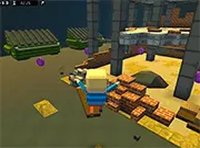
Cooperative Squad Tactics Arena
Reviews
Cooperative Squad Tactics Arena stands out by making teamwork its central mechanic. The dynamic arenas force constant adaptation, and the simple command system keeps the focus on strategy rather than complex inputs. It avoids intense themes entirely, using bright visuals and light sound effects. The progression system rewards team objectives, which encourages positive play. For anyone seeking a cooperative challenge that is both engaging and family-friendly, this game delivers a thoughtful experience.
Description
Core Teamwork Mechanics
At its heart, this game asks players to think as a unit. Rather than relying on individual skill, success comes from how well you and your squad read the battlefield together. Each member can be directed to hold a position, flank an opponent, or regroup. The interface keeps commands simple, so you spend less time on menus and more time executing plans. Communication is encouraged through clear visual cues that show where each teammate is headed. This design makes every match feel like a shared puzzle where everyone contributes.
Arena Design & Flow
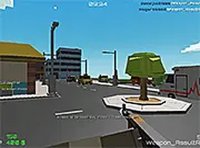
Matches take place in arenas that shift between rounds. Walls may lower to open new paths, or elevated platforms become accessible, changing sightlines. These changes force teams to adjust their strategies on the fly. Some arenas favor close-quarters coordination, while others require spreading out to control multiple zones. The variety keeps the experience fresh and rewards teams that can adapt quickly. Learning each arena’s layout becomes part of the fun, as you discover optimal spots for directing allies.
Tools for Tactical Play
Players have a set of tools that support strategic movement. A crouch or prone option lets you lower your profile to stay out of sight while planning your next move. Grenade-like items can be tossed to create temporary zones of control, forcing opponents to reposition. Switching between different equipment pieces lets you tailor your approach to the current situation. These tools are not about direct power but about creating opportunities for your team to advance. Mastering when to use each tool is key to outthinking the opposing squad.
Family-Friendly Design Philosophy
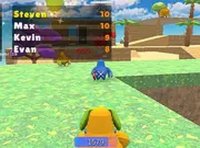
The game deliberately avoids intense or graphic content. There is no depiction of injury or realistic conflict. Instead, the focus stays on the challenge of coordination and clever planning. The visual style uses bright colors and playful character designs. Sound effects are light and emphasize teamwork cues rather than aggressive noises. This makes the game suitable for younger players and those who prefer a relaxed atmosphere. Parents can feel confident that the experience promotes positive social skills like communication and cooperation.
Progression & Mastery
As you play, you unlock new arenas and additional equipment options. Progression is tied to completing team objectives, not individual performance. This encourages players to focus on helping the squad succeed rather than chasing personal stats. Mastery comes from learning how different team compositions work on various maps. There is no pressure to rush through content; the game rewards thoughtful play. Regular practice with the same group builds a natural rhythm, making advanced tactics feel intuitive over time.