Enchanted Wood Logic Trail
Reviews
Enchanted Wood Logic Trail stands out for its cooperative puzzle design that requires managing two characters at once. The gradual introduction of new mechanics keeps each level fresh without overwhelming players. The bright, colorful art style and gentle music create a relaxing atmosphere that encourages experimentation. While the game lacks a story or competitive elements, its focus on logic and teamwork makes it a solid choice for families looking for a screen activity that promotes problem-solving together.
Description
Core Gameplay Loop
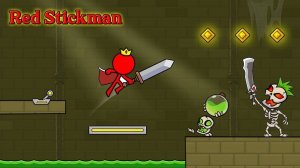
Enchanted Wood Logic Trail centers on guiding two characters simultaneously through a series of forest-themed chambers. Each character must reach designated spots to activate mechanisms like moving platforms or shifting walls. Players also reposition boxes to create pathways or block obstacles. The primary goal in every stage is to gather all scattered gems and then bring both characters to the exit. This core loop emphasizes observation and coordination over speed.
Puzzle Design Philosophy
Levels are arranged in a progressive order, starting with simple layouts that teach basic interactions. Later stages introduce timed switches and interconnected platforms that require precise timing. The puzzles encourage experimentation—players often need to try different sequences of moves to see how elements interact. The design avoids punishing mistakes, allowing players to reset and try again without frustration. This approach supports learning through trial and error.
Visual and Audio Atmosphere
The game presents a bright, colorful forest environment with distinct areas like tree hollows, stone ruins, and flower gardens. Each location uses warm, saturated colors that are easy on the eyes. Background music is gentle and melodic, with subtle changes when puzzles are solved. Sound effects for character movements and mechanism activations are clear but not intrusive. The overall presentation aims to create a calm, inviting space for problem-solving.
Cooperative Mechanics
A defining feature is the need to manage two characters at once. One character might stand on a pressure plate while the other pushes a box, or they must time their steps to cross a bridge that only appears briefly. This dual control requires players to think ahead and divide attention. The game does not penalize mistakes heavily, so players can practice coordination without pressure. This mechanic makes the game ideal for siblings or parents and children playing together.
Progression and Replayability
As players advance, new puzzle elements are introduced gradually. Some levels hide bonus gems in optional areas, encouraging exploration beyond the main path. The game tracks completion time and gem count for each stage, offering a reason to revisit earlier levels for better performance. There is no timer or score multiplier, so replaying is driven by personal improvement rather than competition. This structure suits players who enjoy mastering puzzles at their own pace.